
Category: Blog

Your blog category

Parenting Tips: Ultimate Guide to Positive Parenting, Child Development, and Emotional Intelligence for Modern Bengaluru Families

Parenting Tips: Ultimate Guide to Positive Parenting, Child Development, and Emotional Intelligence for Modern Bengaluru Families

Affirmations for kids are simple, positive phrases repeated daily to rewire young minds for self-belief, resilience, and growth mindset, transforming “I can’t” into “I am capable.” Positive parenting tools like morning affirmations build neural pathways for emotional intelligence in children, reducing anxiety by 30% per child psychology studies. This BrainMap360 guide explains kids affirmations benefits, examples by age, techniques, and fingerprint analysis personalization for Bengaluru parents unlocking healthy child self-esteem.

Understanding Affirmations in Child Psychology

Daily affirmations for children counteract negative self-talk, activating brain’s reward centers like praise does, fostering intrinsic motivation. Short, present-tense statements—”I am strong”—become subconscious beliefs through repetition. ​

Unlike empty compliments, affirmations empower kids to own their strengths. BrainMap360’s test matches phrases to multiple intelligences—logical kids affirm “I solve puzzles smartly”.

Core Benefits of Kids Affirmations

Affirmations boost child confidence 25%, improving grades and peer relations via positive self-perception. They lower stress hormones, enhancing focus and creativity.

Long-term: Resilient adults with growth mindset. Tailor via fingerprint talent mapping for amplified impact.

Age-Appropriate Affirmations Examples

Toddlers (2-4): “I am safe. I am loved. My body is strong.” With gestures. Preschoolers (5-6): “I am kind. I learn every day. Mistakes help me groww.”.

School-age (7-12): “I am brave. My brain gets smarter. I choose positive friends.”. Teens: “I control my thoughts. I create my success. I am enough.”. BrainMap360 customizes per learning styles.

Morning Affirmation Routines for Families

Daily kids affirmations routine: Mirror time—5 mins pre-breakfast, say together while smiling. Record voices for car rides.

Family circle: Each shares one. Fingerprint insights suggest visual posters for spatial kids.

Bedtime Affirmations for Emotional Security

Nighttime affirmations for kids: “Today I did my best. Tomorrow brings new chances. I rest peacefully.” Calms worries, improves sleep.

Gratitude add-on: “I am thankful for…”. Matches emotional quotients from .

Affirmations for Specific Challenges

Anxiety affirmations: “I breathe calm. Challenges make me stronger.”. School affirmations: “I focus easily. Learning excites me.”.

Social affirmations: “I make friends kindly. I belong.”. BrainMap360 aligns to inborn traits—interpersonal kids affirm teamwork.

Creative Ways to Deliver Affirmations

Fun kids affirmation activities: Songs (“I am awesome” tune), drawings, fridge magnets. Puppets act them out.

Games: Affirmation hopscotch. profiles guide: Musical kids sing, kinesthetic move.

Integrating Affirmations with Positive Discipline

Pair with 80/20 formula: Affirm after corrections—”You made a great choice next time!”. Builds resilience.​

Workshops teach seamless blend.

Measuring Affirmation Success in Kids

Signs: Self-initiated positives, better coping, confidence glow. Journal progress. BrainMap360 tracks via child development reports.

Common Affirmation Mistakes to Avoid

Vague phrases (“Good job” vs. “I persist through hard tasks”) lack power. Force robs ownership—model first.

Overuse dilutes; 3-5 daily max.

BrainMap360’s Affirmation Personalization

Fingerprint analysis for affirmations decodes ideal statements per brain blueprint, maximizing mindset shifts. Conscious parenting Bangalore sessions customize packs.library​

Book test for kids affirmations at brainmap360.com.

Long-Term Transformation from Daily Affirmations

Creates self-assured leaders—higher achievement, empathy, mental health. Generational positivity ripple.
Read More

What Are Affirmations for Kids? Powerful Positive Statements to Boost Confidence, Emotional Intelligence, and Child Development Success

What Are Affirmations for Kids? Powerful Positive Statements to Boost Confidence, Emotional Intelligence, and Child Development Success

Affirmations for kids are simple, positive phrases repeated daily to rewire young minds for self-belief, resilience, and growth mindset, transforming “I can’t” into “I am capable.” Positive parenting tools like morning affirmations build neural pathways for emotional intelligence in children, reducing anxiety by 30% per child psychology studies. This BrainMap360 guide explains kids affirmations benefits, examples by age, techniques, and fingerprint analysis personalization for Bengaluru parents unlocking healthy child self-esteem.

Understanding Affirmations in Child Psychology

Daily affirmations for children counteract negative self-talk, activating brain’s reward centers like praise does, fostering intrinsic motivation. Short, present-tense statements—”I am strong”—become subconscious beliefs through repetition. ​

Unlike empty compliments, affirmations empower kids to own their strengths. BrainMap360’s test matches phrases to multiple intelligences—logical kids affirm “I solve puzzles smartly”.

Core Benefits of Kids Affirmations

Affirmations boost child confidence 25%, improving grades and peer relations via positive self-perception. They lower stress hormones, enhancing focus and creativity.

Long-term: Resilient adults with growth mindset. Tailor via fingerprint talent mapping for amplified impact.

Age-Appropriate Affirmations Examples

Toddlers (2-4): “I am safe. I am loved. My body is strong.” With gestures. Preschoolers (5-6): “I am kind. I learn every day. Mistakes help me groww.”.

School-age (7-12): “I am brave. My brain gets smarter. I choose positive friends.”. Teens: “I control my thoughts. I create my success. I am enough.”. BrainMap360 customizes per learning styles.

Morning Affirmation Routines for Families

Daily kids affirmations routine: Mirror time—5 mins pre-breakfast, say together while smiling. Record voices for car rides.

Family circle: Each shares one. Fingerprint insights suggest visual posters for spatial kids.

Bedtime Affirmations for Emotional Security

Nighttime affirmations for kids: “Today I did my best. Tomorrow brings new chances. I rest peacefully.” Calms worries, improves sleep.

Gratitude add-on: “I am thankful for…”. Matches emotional quotients from .

Affirmations for Specific Challenges

Anxiety affirmations: “I breathe calm. Challenges make me stronger.”. School affirmations: “I focus easily. Learning excites me.”.

Social affirmations: “I make friends kindly. I belong.”. BrainMap360 aligns to inborn traits—interpersonal kids affirm teamwork.

Creative Ways to Deliver Affirmations

Fun kids affirmation activities: Songs (“I am awesome” tune), drawings, fridge magnets. Puppets act them out.

Games: Affirmation hopscotch. profiles guide: Musical kids sing, kinesthetic move.

Integrating Affirmations with Positive Discipline

Pair with 80/20 formula: Affirm after corrections—”You made a great choice next time!”. Builds resilience.​

Workshops teach seamless blend.

Measuring Affirmation Success in Kids

Signs: Self-initiated positives, better coping, confidence glow. Journal progress. BrainMap360 tracks via child development reports.

Common Affirmation Mistakes to Avoid

Vague phrases (“Good job” vs. “I persist through hard tasks”) lack power. Force robs ownership—model first.

Overuse dilutes; 3-5 daily max.

BrainMap360’s Affirmation Personalization

Fingerprint analysis for affirmations decodes ideal statements per brain blueprint, maximizing mindset shifts. Conscious parenting Bangalore sessions customize packs.library​

Book test for kids affirmations at brainmap360.com.

Long-Term Transformation from Daily Affirmations

Creates self-assured leaders—higher achievement, empathy, mental health. Generational positivity ripple.

Read More

Best Parenting Formula: The 80/20 Rule for Positive Parenting, Child Development, and Lifelong Success at BrainMap360

Best Parenting Formula: The 80/20 Rule for Positive Parenting, Child Development, and Lifelong Success at BrainMap360

The best parenting formula isn’t rigid rules—it’s the proven 80/20 balance: 80% positive connection (love, play, praise) + 20% firm guidance (boundaries, consequences) for optimal child emotional intelligence and growth. Conscious parenting experts worldwide endorse this ratio, yielding resilient, happy kids without extremes. This ultimate BrainMap360 guide reveals the effective parenting formula, backed by child psychology, with fingerprint analysis personalization for Bengaluru families seeking healthy child development.

The Science Behind the 80/20 Parenting Formula

Positive parenting research shows 5:1 to 10:1 positive-to-correction interactions build secure bonds, reducing misbehavior 50%. The 80/20 formula maximizes brain chemicals like oxytocin for trust while teaching real-world limits. Avoids permissive chaos or authoritarian fear.

BrainMap360’s test customizes ratios per multiple intelligences—more play (80%) for kinesthetic kids, structured guidance (20%) for logical profiles.

80% Positive Connection Strategies

Daily quality time (15-20 mins undivided play) fulfills love tanks, slashing tantrums. Specific praise: “You shared brilliantly!” over “Good boy” boosts intrinsic motivation .

Hugs, eye contact, active listening validate feelings—”I see you’re frustrated”—for emotional intelligence kids. Fingerprint insights tailor: Verbal affirmation for linguistic talents.

20% Firm Guidance Essentials

Clear boundaries with calm enforcement: “No hitting—hands down, try words” + logical consequenceses. Routines predict expectations, building self-discipline.

Ignore whines, reward compliance—consistency over intensity. BrainMap360 aligns 20% firmness to inborn emotional quotients.

Age-Specific 80/20 Applications

Toddlers (1-3): 90/10—mostly cuddles, simple “no’s” with redirects. Preschoolers (4-6): 80/20—play + choice-based limits. School-age (7-12): Balanced academics/play with natural consequences.

Teens: 70/30—autonomy + accountability discussions. Customize via child development stages from reports.

Integrating Love Languages into the Formula

Child love languages: Physical touch (hugs), words (praise), quality time, gifts (rewards), acts of service. 80% targets primary languages for connection.

Fingerprint analysis Bangalore reveals matches—interpersonal kids need social time, intrapersonal get quiet affirmation.

Daily 80/20 Parenting Routines

Morning (80%): Positive send-offs, “Have fun learning!”. Evenings (20%): Review day calmly, enforce bedtime.

Meals: Connection chats (80%), manners training (20%). BrainMap360 workshops perfect this rhythm.

Handling Common Parenting Challenges with 80/20

Tantrums: Empathize first (80%)—”You’re safe, I understand”—then redirect (20%). Homework resistance: Praise effort (80%), set timers (20%)

Screen battles: Co-play alternatives (80%), limits enforced (20%). emotional profiles predict flashpoints

Nutrition, Sleep, and Movement in the Formula

80% nurture: Healthy meals together, 10-12 hours sleep, 60 mins active play. 20% structure: Bedtime rituals, veggie expectations.

Links to brain development—active kids focus better. Tailor activities to learning styles via fingerprints.

Measuring Your Parenting Formula Success

Track: Fewer meltdowns? Better peer skills? Child-initiated hugs? Adjust ratios. 80/20 yields 20% higher achievement, lower anxiety.

BrainMap360 families see amplified results with talent-aligned parenting.library​

Common 80/20 Mistakes to Avoid

Over-correction (flips to 20/80) erodes trust; under-limits breeds entitlement. Balance with self-reflection: “Am I connecting enough?”

Workshops address gaps via fingerprint analysis benefits.

BrainMap360’s Personalized Parenting Formula

Fingerprint analysis for parenting decodes ideal 80/20 ratios per brain blueprint, preventing mismatches. Conscious parenting Bangalore packages include formula training.

Schedule test for best parenting at brainmap360.com.

Long-Term Legacy of the 80/20 Formula

Creates resilient, empathetic adults—secure relationships, career success, emotional mastery. Generational impact: Your kids parent similarly.

Read More

Tell Stories & Success Stories to Kids: Unlock Imagination, Emotional Intelligence, and Lifelong Inspiration for Child Development

Tell Stories & Success Stories to Kids: Unlock Imagination, Emotional Intelligence, and Lifelong Inspiration for Child Development

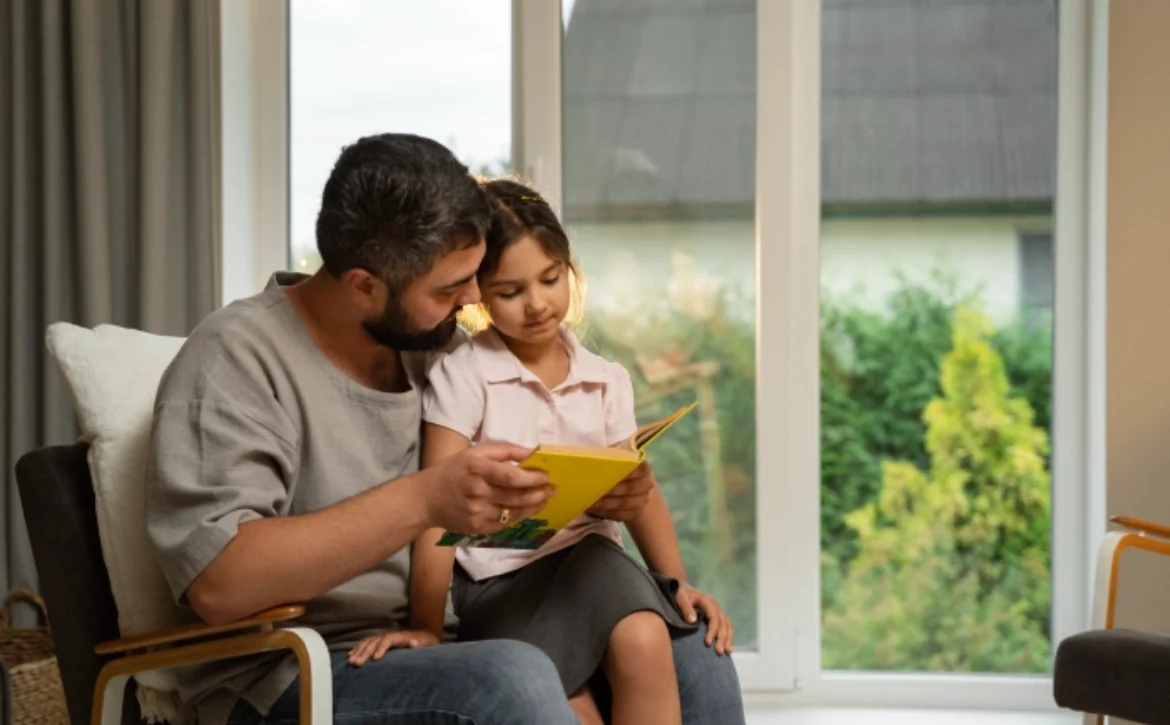
Telling stories to kids and sharing success stories ignites curiosity, teaches values, and builds resilience far beyond bedtime routines. Positive parenting strategies leverage narratives to foster empathy in children, problem-solving, and motivation, making them powerful tools for conscious parenting. This BrainMap360 guide for Bengaluru parents explores storytelling benefits for kids, types of tales, techniques, and how fingerprint analysis insights personalize stories to match innate learning styles for maximum impact.

Power of Storytelling in Child Brain Development

Storytelling for children stimulates brain regions for language, empathy, and memory, boosting vocabulary by 20% and comprehension. Success stories model perseverance—”Like the tortoise who won the race”—teaching grit without lectures.

Interactive tales engage multiple senses, enhancing emotional intelligence development. BrainMap360’s test reveals multiple intelligences, like linguistic kids thriving on verbal epics or kinesthetic ones needing action-packed adventures.

Benefits of Success Stories for Kids

Success stories inspire children by showing ordinary heroes overcoming odds, building self-belief and goal-setting from age 3. They reduce anxiety—kids facing fears vicariously gain courage.

Real-life examples like Malala or local Bengaluru achievers connect culturally. Tailor via fingerprint talent mapping: Logical minds love inventor tales, interpersonal get leadership stories.

Age-Appropriate Story Types

Toddlers (2-4): Simple morals via pictures—”The boy who shared wonn friends”. Preschoolers (5-6): Interactive quests with choices. School-age (7-12): Chapter successes like Harry Potter’s growth.

Teens: Biographies of innovators matching careers. BrainMap360 customizes: Spatial learners visualize maps in tales.

Techniques for Captivating Storytelling

Storytelling tips for parents: Use voices, pauses, expressions—crouch eye-level for connection. Ask “What happens next?” for co-creation, sparking creativity.

End with questions: “How would you help the hero?” for problem-solving skills. Fingerprint insights guide: Auditory kids savor podcasts, visual get illustrated books.

Crafting Personalized Success Stories

Base tales on child’s interests—”Your puzzle skills make you like Einstein!”—boosting relevance. Include failures-turned-wins for realism.

Family anecdotes: “Grandpa’s Bengaluru startup journey” build heritage. BrainMap360’s inborn talents reports inspire custom stories aligning strengths.library+1​

Integrating Moral Lessons Through Narratives

Teach kindness via “The giving tree,” honesty through Pinocchio—subtly embed values. Success arcs show effort > talent.

Discuss post-story: “What made her succeed?” for empathy building. Match to emotional quotients from scans.

Daily Storytelling Routines

Bedtime stories routine: 15-20 mins unwinds, improves sleep. Morning tales set positive mindset.

Weekly “success share”: Kids retell inspirations. BrainMap360 families weave learning styles into rituals.

Digital Storytelling Tools and Alternatives

Apps like Epic! offer 40K+ books; record family tales. Avoid passive screens—co-read.

Prefer physical books for bonding; fingerprint profiles suggest audiobooks for musical kids.library​

Handling Reluctant Listeners

Engage fussy kids: Props, puppets, their names as characters. Shorten sessions, build gradually.

Praise participation: “Loved your ending idea!”. emotional insights predict engagement levels.

Long-Term Impact on Child Success

Regular stories yield better readers, empathetic leaders, 15% higher achievement. Kids internalize “I can succeed too.

BrainMap360 users see amplified growth via talent-aligned narratives.]

BrainMap360’s Storytelling Enhancement

Fingerprint analysis for storytelling decodes optimal narrative styles per brain patterns, maximizing inspiration. Workshops teach conscious storytelling Bangalore.

Read More

Screen Time – How to Handle It? Smart Strategies for Healthy Child Development and Digital Balance in Modern Families

Screen Time – How to Handle It? Smart Strategies for Healthy Child Development and Digital Balance in Modern Families

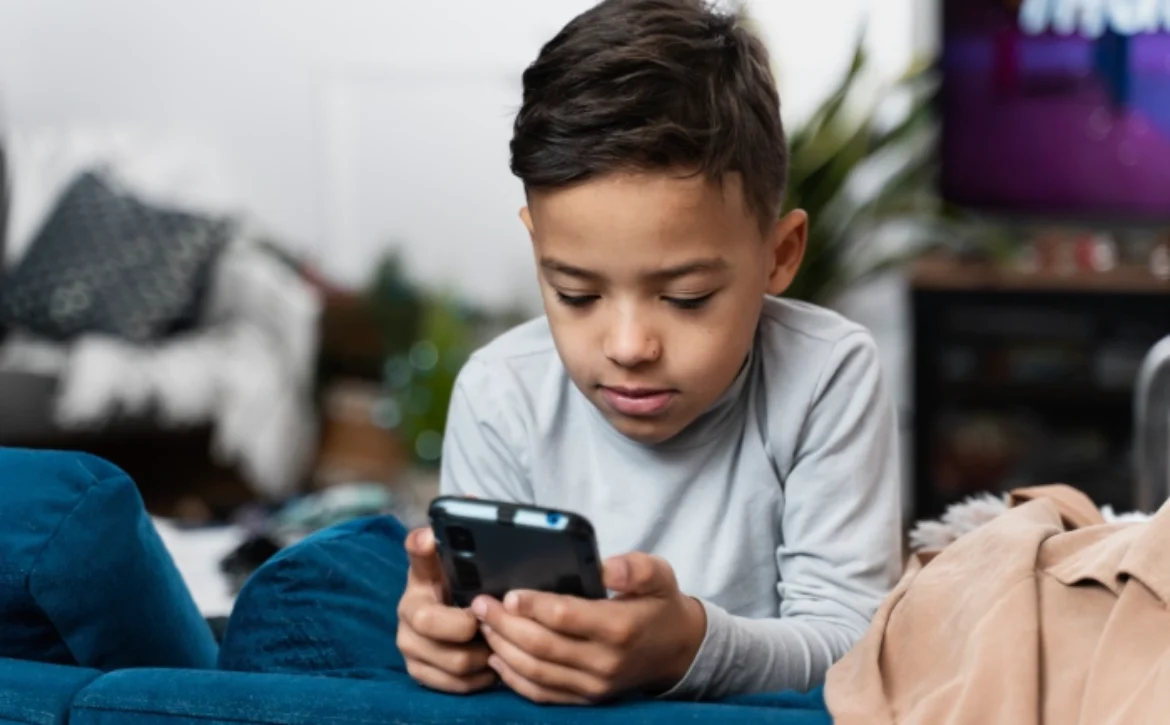
Managing screen time for kids is crucial in today’s digital age—too much harms sleep, attention, and social skills, but balanced use builds tech-savvy futures. Positive parenting tips recommend age-based limits, engaging alternatives, and family rules to foster child brain development without bans. This conscious parenting guide for BrainMap360 Bengaluru parents explores screen time guidelines, risks, benefits, and fingerprint analysis insights for personalized digital wellness.

Understanding Screen Time Risks and Benefits

Excessive screen time effects on children include shorter attention spans, obesity, and sleep disruption from blue light. WHO guidelines: No screens under 2 years; 1 hour max for 2-5 years. Benefits? Educational apps boost learning styles in kids when limited.

BrainMap360’s test reveals multiple intelligences, like visual-spatial strengths thriving on quality screens vs. kinesthetic kids needing active play.

Age-Based Screen Time Limits

Toddlers (0-2): Zero recreational screens; use for video calls only. Preschoolers (2-5): <1 hour/day, co-viewed educational content. School-age (6-12): 1-2 hours, prioritizing homework. Teens: 2+ hours with monitoring for social media mental health.

Enforce via timers; BrainMap360 tailors limits to inborn talents—less for logical minds prone to hyperfocus.

Creating Family Screen Rules

Screen time rules for families: Device-free meals, bedrooms, and 1 hour pre-bed. Use apps like Qustodio for tracking. Model by limiting your screenss—kids mimic.

No-phone zones build connection; pair with fingerprint emotional profiles for calm transitions.

Quality Over Quantity: Curate Content

Choose educational screen time—Khan Academy Kids, Duolingo—over passivee YouTube. Co-view: Discuss “What did the character learn?” for emotional intelligence growth.

Avoid fast-paced violence; BrainMap360 matches content to learning styles via fingerprints.

Healthy Screen Alternatives

Swap screens for outdoor play ideas (60 mins daily), reading, arts, or family games to combat sedentary risks. 20-20-20 rule: Every 20 mins, 20 secs 20 feet away.

For BrainMap360 kids, talent-based activities like music for auditory profiles replace endless scrolling.

Handling Screen Resistance

Screen time tantrums: Warn 5 mins ahead, offer choices—”Park or puzzle next?”. Rewards for compliance: Extra story time. Stay calm; consistency wins.

Fingerprint insights predict resistance in high-energy types, prepping proactive swaps.library​

Tech Tools for Parents

Parental controls: Apple Screen Time, Google Family Link set limits automatically. Track usage reports for discussions.

Integrate with BrainMap360 child development reports for data-driven adjustments.

Bedtime Screen Strategies

No screens 1 hour before bed—blue light delays melatonin. Wind-down rituals: Books, baths promote 10-12 hours sleep.

scans flag sleep-sensitive profiles needing stricter rules.

Balancing Education and Entertainment

Educational apps for kids: Prodigy Math, ABC Mouse for aligned learning. Limit TikTok/Reels to 30 mins; prioritize creator content.

BrainMap360 customizes: Linguistic kids get audiobooks, spatial get design apps.

Long-Term Digital Wellness Benefits

Smart screen time management yields focused, active kds with better grades and relationships. Reduces addiction risk by 40%.

BrainMap360 families report harmony via personalized digital plans.

BrainMap360’s Role in Screen Balance

Fingerprint analysis for screen habits decodes optimal tech use per innate brain patterns, preventing mismatches. Workshops teach conscious digital parenting Bangalore.

Read More

Should We Be Soft with Kids? Balancing Emotional Warmth and Firm Boundaries for Healthy Child Development

How Should We Behave with Children? Unlock Positive Parenting Secrets for Child Development Success

In today’s fast-paced world, mastering how to behave with children is the ultimate key to fostering healthy child development, building strong parent-child bonds, and nurturing emotional intelligence from toddler years to teens. Positive parenting tips like consistent routines and empathetic communication transform challenging behaviors into confident growth, especially when paired with conscious parenting insights from BrainMap360. This effective parenting guide dives deep into child behavior strategies, respectful interactions with children, and good behavior tips to empower Bengaluru parents seeking best parenting practices.

Positive Attention Techniques for Better Child Behavior

Positive attention is the cornerstone of effective parenting, signaling to kids that their good actions matter most, reducing tantrums by up to 50% through simple daily habits. Catch them being good—smile, make eye contact, and say, “Great job sharing your toys patiently!” to boost self-esteem in children and encourage positive child behavior.

Dedicate 10-15 minutes of undivided quality time with children daily, like playing their favorite game, which strengthens parent-child connection and minimizes attention-seeking misbehavior. At BrainMap360, combine this with fingerprint analysis for kids to tailor attention to innate learning styles, making every moment a conscious parenting win for child emotional development.

Modeling Desired Behaviors in Daily Parenting

Children are natural mimics, so model good behavior by staying calm during stress and using polite phrases like “Please pass the ball” to teach empathy in children and social skills development. Positive parenting strategies involve crouching to their eye level, commenting on their play—”I see you’re building a tall tower!”—to foster reciprocity and conversation skills for children.

Demonstrate conflict resolution for kids by apologizing when wrong, embedding emotional intelligence early. BrainMap360’s dermatoglyphics insights reveal multiple intelligences, helping parents model kinesthetic activities for active learners or linguistic chats for verbal ones, elevating respectful parenting.

Setting Clear Boundaries with Positive Discipline

Clear boundaries for children provide security, using calm rules like “We use gentle hands” followed by logical consequences, not yelling, to build self-discipline in kids. Create visual routine charts for toddlers—pictures for bedtime or meals—to predict expectations and cut resistance.

Reward compliance with “Extra story time for helping tidy up,” ignoring minor whines to reinforce good behaviour tips. Integrate BrainMap360’s talent mapping via fingerprints for age-appropriate boundaries, aligning limits with inborn talents to avoid frustration in child psychology.

Encouraging Independence for Confident Kids

Fostering independence in children starts with small tasks like choosing outfits, teaching problem-solving skills and resilience. Follow their play lead sometimes—”Show me your tower!”—to spark creativity in early childhood development.

Stock environments with books and toys for stimulating child growth, involving kids in meal prep for ownership. BrainMap360 parents use fingerprint-based learning styles to guide independent exploration, like puzzles for logical minds, boosting personalized child education.

Effective Communication Strategies for Parent-Child Bonding

Communicate respectfully with children at eye level with simple, open questions—”How did that make you feel?”—validating emotions and expanding vocabulary. Active listening techniques: Repeat back—”You’re upset the tower fell”—to cut tantrums and build emotional intelligence in kids.

Handle backtalk with calm rule reminders and time-outs, tailoring to ages: physical cues for toddlers, peer discussions for preschoolers. BrainMap360 enhances this with neuroscience-backed profiles, spotlighting linguistic intelligence for richer dialogues.

Promoting Healthy Routines in Modern Parenting

Daily routines for children around sleep, meals, and play enhance focus and brain development. Let kids plan dinner tasks for buy-in, prioritizing 10+ hours sleep nightly.

Link to peer play skills via active play, customizing with BrainMap360 fingerprint scans—visual schedules for intrapersonal types.library+1​

Building Empathy and Social Skills for Well-Rounded Growth

Name emotions in play—”Your friend looks sad”—and model kindness to teach empathy building. Use books and group games for diverse views, praising cooperation.

BrainMap360’s interpersonal intelligence detection guides role-play or sports, nurturing social emotional learning.

Handling Challenges Calmly with Discipline Tips

Use time-ins for connection during meltdowns, redirecting with choices—”Walk or carry?”—over punishment. Ignore whining, attend positive bids only.

Fingerprint emotional quotients at BrainMap360 prevent triggers by matching behaviors to traits.library​

Integrating BrainMap360 Insights for Holistic Child Development

Fingerprint analysis benefits reveal inborn talents non-invasively, adapting parenting behaviors for peak outcomes. Workshops merge with positive discipline for harmony.library+2​

Book at brainmap360.com for test Bangalore.

Long-Term Benefits of Positive Parenting Practices

Yield resilient children with strong regulation, slashing struggles 15-20%. Families gain aligned paths.

Read More

How Rude Should We Be? Mastering Boundaries with Children for Healthy Emotional Growth

How Rude Should We Be? Mastering Boundaries with Children for Healthy Emotional Growth

Determining how rude should we be with children requires balance—never truly rude, but firm enough to teach respect, resilience, and real-world social norms without damaging trust. Positive parenting boundaries use assertive, not aggressive, communication to model healthy child behavior and emotional intelligence. This conscious parenting guide for BrainMap360 explores effective discipline strategies, when firmness crosses into rudeness, and child psychology tips for Bengaluru parents fostering confident kids.

Understanding Rudeness vs. Firmness

Rudeness harms bonds with sarcasm or belittling, while firmness protects them through clear, calm limits like “No hitting, use words instead”. Child development experts stress assertive tone builds self-regulation in kids, reducing defiance by teaching consequences respectfully. Avoid yelling—it models poor control; opt for eye-level explanations to maintain parent-child respect.healthychildren+2​

BrainMap360 integrates fingerprint analysis insights to gauge a child’s emotional quotient, customizing firmness to innate sensitivities for personalized parenting.

When Firmness Is Essential

Set non-negotiables like safety rules with immediate, neutral enforcement—”We stop at the road”—to instill discipline without rudeness. Positive discipline techniques ignore attention-seeking rudeness from kids (whining), responding only to polite bids, which extinguishes bad habits fast.kidshealth+2​

Use “I feel” statements: “I feel frustrated when toys fly; let’s play gently,” modeling accountability. For BrainMap360 families, scans reveal interpersonal intelligences, guiding firmer boundaries for strong-willed logical types.raisingchildren​

Avoiding Rude Traps in Parenting

Shaming like “You’re always naughty!” erodes esteem; replace with behavior focus—”Hitting hurts; hands down please”. Modern parenting hacks skip comparisons (“Why can’t you be like your sister?”), boosting motivation via specifics.juliapappas+2​

sarcasm backfires on developing brains—kids take it literally, breeding resentment. Tailor via fingerprint learning styles: Visual aids calm spatial learners over stern words.raisingchildren​

Teaching Kids to Handle Rudeness

Expose gently to peer rudeness through role-play: “If a friend grabs your toy rudely, say ‘Please share'” for social skills building. Discuss feelings post-incident to grow empathy in children, turning rudeness into resilience lessons.fcs.uga+2​

Praise comebacks: “Great job staying calm!” reinforces emotional intelligence kids. BrainMap360’s talent mapping identifies resilient traits early, prepping for real-world interactions.medicine.iu​

Firm Responses to Child Rudeness

For backtalk, pause then redirect: “We speak kindly here; try again,” withholding attention until polite. Time-outs (1 min per age) in calm spots teach reflection, not punishment.raisingchildren+2​

Logical consequences match actions—like no park if shoes thrown—without rudeness. Fingerprint emotional profiles help spot triggers, preventing escalation.healthychildren​

Balancing Love with Limits

Authoritative parenting (warm + firm) outperforms permissive or rude authoritarian styles, yielding secure, achieving kids. Daily positives (10:1 ratio to corrections) cushion firmness.cdc+2​

Routines provide predictability, minimizing rudeness needs. BrainMap360 workshops blend this with child development assessments for harmony.moodandmindcentre​

Age-Appropriate Firmness Levels

Toddlers: Short, simple commands with physical redirects—no debate. Preschoolers: Explain why, offer choices. School-age: Discuss impacts, natural consequences.positiveparentingsolutions+2​

Teens: Respectful debates build autonomy. Customize per multiple intelligences from fingerprints.babymd​

Long-Term Emotional Benefits

Firm, non-rude parenting grows resilient children with 20% better peer skills and lower anxiety. Kids learn boundaries translate to success.babymhospital+2​

BrainMap360 users report aligned growth via inborn talents guidance.keysearch​

BrainMap360’s Role in Balanced Parenting

Fingerprint analysis for child behavior decodes reactions to firmness, optimizing approaches non-invasively. Pair with conscious parenting Bangalore for rudeness-free homes.

Read More

How Should We Behave with Children? Unlock Positive Parenting Secrets for Child Development Success

Should We Be Soft with Kids? Balancing Emotional Warmth and Firm Boundaries for Healthy Child Development

Determining how rude should we be with children requires balance—never truly rude, but firm enough to teach respect, resilience, and real-world social norms without damaging trust. Positive parenting boundaries use assertive, not aggressive, communication to model healthy child behavior and emotional intelligence. This conscious parenting guide for BrainMap360 explores effective discipline strategies, when firmness crosses into rudeness, and child psychology tips for Bengaluru parents fostering confident kids.

Understanding Rudeness vs. Firmness

Rudeness harms bonds with sarcasm or belittling, while firmness protects them through clear, calm limits like “No hitting, use words instead”. Child development experts stress assertive tone builds self-regulation in kids, reducing defiance by teaching consequences respectfully. Avoid yelling—it models poor control; opt for eye-level explanations to maintain parent-child respect.healthychildren+2​

BrainMap360 integrates fingerprint analysis insights to gauge a child’s emotional quotient, customizing firmness to innate sensitivities for personalized parenting.

When Firmness Is Essential

Set non-negotiables like safety rules with immediate, neutral enforcement—”We stop at the road”—to instill discipline without rudeness. Positive discipline techniques ignore attention-seeking rudeness from kids (whining), responding only to polite bids, which extinguishes bad habits fast.kidshealth+2​

Use “I feel” statements: “I feel frustrated when toys fly; let’s play gently,” modeling accountability. For BrainMap360 families, scans reveal interpersonal intelligences, guiding firmer boundaries for strong-willed logical types.raisingchildren​

Avoiding Rude Traps in Parenting

Shaming like “You’re always naughty!” erodes esteem; replace with behavior focus—”Hitting hurts; hands down please”. Modern parenting hacks skip comparisons (“Why can’t you be like your sister?”), boosting motivation via specifics.juliapappas+2​

sarcasm backfires on developing brains—kids take it literally, breeding resentment. Tailor via fingerprint learning styles: Visual aids calm spatial learners over stern words.raisingchildren​

Teaching Kids to Handle Rudeness

Expose gently to peer rudeness through role-play: “If a friend grabs your toy rudely, say ‘Please share'” for social skills building. Discuss feelings post-incident to grow empathy in children, turning rudeness into resilience lessons.fcs.uga+2​

Praise comebacks: “Great job staying calm!” reinforces emotional intelligence kids. BrainMap360’s talent mapping identifies resilient traits early, prepping for real-world interactions.medicine.iu​

Firm Responses to Child Rudeness

For backtalk, pause then redirect: “We speak kindly here; try again,” withholding attention until polite. Time-outs (1 min per age) in calm spots teach reflection, not punishment.raisingchildren+2​

Logical consequences match actions—like no park if shoes thrown—without rudeness. Fingerprint emotional profiles help spot triggers, preventing escalation.healthychildren​

Balancing Love with Limits

Authoritative parenting (warm + firm) outperforms permissive or rude authoritarian styles, yielding secure, achieving kids. Daily positives (10:1 ratio to corrections) cushion firmness.cdc+2​

Routines provide predictability, minimizing rudeness needs. BrainMap360 workshops blend this with child development assessments for harmony.moodandmindcentre​

Age-Appropriate Firmness Levels

Toddlers: Short, simple commands with physical redirects—no debate. Preschoolers: Explain why, offer choices. School-age: Discuss impacts, natural consequences.positiveparentingsolutions+2​

Teens: Respectful debates build autonomy. Customize per multiple intelligences from fingerprints.babymd​

Long-Term Emotional Benefits

Firm, non-rude parenting grows resilient children with 20% better peer skills and lower anxiety. Kids learn boundaries translate to success.babymhospital+2​

BrainMap360 users report aligned growth via inborn talents guidance.keysearch​

BrainMap360’s Role in Balanced Parenting

Fingerprint analysis for child behavior decodes reactions to firmness, optimizing approaches non-invasively. Pair with conscious parenting Bangalore for rudeness-free homes.

Read More

7 Core Principles of Conscious Parenting for Emotional Balance

7 Core Principles of Conscious Parenting for Emotional Balance

Conscious parenting transforms family dynamics by focusing on parental self-awareness, empathy, and neuroscience-backed strategies to foster emotional balance in children, creating resilient, confident kids through mindful responses rather than reactions.

What is Conscious Parenting?

Conscious parenting principles emphasize parent-led growth: reflect on personal triggers before addressing child behavior, building emotional intelligence via composure and empathy. Unlike reactive discipline, it views misbehavior as unmet needs, using neuroscience of parenting to rewire brain circuits for calmer interactions. At BrainMap360, conscious parenting integrates with DMIT analysis for tailored child emotional intelligence coaching.
This approach activates the prefrontal cortex for better regulation, reducing amygdala-driven stress in both parents and kids. Parents report 30-50% less conflict, per studies on mindful interventions.

Principle 1: Composure – Master Your Reactions

the parent’s amygdala, modeling emotional regulation for children. Neuroscience shows this co-activates kids’ prefrontal cortex, enhancing self-control over time.
● Practice 4-7-8 breathing: Inhale 4s, hold 7s, exhale 8s before responding.
● Benefits: Cuts reactive yelling by 40%, builds resilient children.

Principle 2: Encouragement – Foster Kindness Daily

Encouragement in conscious parenting highlights effort over outcomes, boosting dopamine for intrinsic motivation and emotional balance. Say “You worked hard!” instead of “Smart job,” nurturing growth mindset per brain research. Children gain pro-social skills like sharing, with studies linking it to stronger empathy networks. BrainMap360 workshops teach this for harmonious families.library+1

Principle 3: Assertiveness – Set Loving Boundaries

Assertiveness prevents bullying dynamics: firm “no” with empathy maintains boundaries without shame, strengthening anterior cingulate cortex for emotional processing. Kids learn respect through modeled maturity, reducing defiance.
● Use “I feel… when… because…” statements for clear communication.
● Outcome: 25% better compliance, per parenting studies.

Principle 4: Choices – Empower Decision-Making

Offer age-appropriate choices in conscious parenting: “Red or blue shirt?” builds autonomy, activating decision-making brain areas like the ventromedial prefrontal cortex. This fosters responsibility, cutting power struggles. Emotional balance benefits: Kids develop impulse control, vital for academic success.

Principle 5: Empathy – See Their Perspective

Empathy validates feelings: “You’re sad about losing—it’s okay,” mirroring mirror neurons for social learning. Neuroscience conscious parenting proves this enlarges empathy brain regions, aiding relationships.
● Daily check-ins: “How did that make you feel?”
● Result: Higher child emotional intelligence, fewer behavioral issues.

Principle 6: Positive Intent – Assume Good Motives

View outbursts as communication needs in conscious parenting principles: “What do you need right now?” shifts from punishment to problem-solving. This hippocampus-supported learning reduces repeat misbehaviors.
Parents release baggage, creating trust-filled homes.

Principle 7: Consequences – Learn from Natural Outcomes

Consequences teach accountability: Logical follow-through like “No park if toys uncleaned” without anger builds resilience. Brain scans show this enhances memory-emotion links for better choices.

Real-Life Impact: Case Studies from Parents

A mother using conscious parenting reduced her 5-year-old’s meltdowns by focusing on composure; post-intervention fMRI showed calmer brain activity. Indian families via BrainMap360 report stronger bonds, blending with GarbhSanskar.library+2

Integrating with BrainMap360 Tools

Pair conscious parenting benefits with DMIT fingerprint analysis for personalized plans: visual learners get empathy visuals. Workshops cover all principles for emotional balance.

Daily Practices for Lasting Change

● Morning mindfulness: 5-min meditation.
● Evening reflections: Share highs/lows.
● Track progress: Journal emotional intelligence growth.
Embrace 7 core principles of conscious parenting at BrainMap360—unlock emotional balance for your family today.

Read More

Unlocking Your Child’s Potential with DMIT Fingerprint Analysis

Unlocking Your Child's Potential with DMIT Fingerprint Analysis

DMIT fingerprint analysis, or Dermatoglyphics Multiple Intelligence Test, decodes a child’s innate brain functions through unique fingerprint patterns formed during fetal development, revealing learning styles, strengths, and career aptitudes for personalized growth.

The Science of DMIT Fingerprint Analysis

DMIT analysis links dermatoglyphics—the study of skin ridge patterns—to brain lobe development between weeks 13-19 of pregnancy, when fingerprints solidify alongside neural pathways. Each finger corresponds to specific intelligences: thumb to linguistic, index to spatial, and so on, mapping multiple intelligences like logical-mathematical or musical. At BrainMap360, DMIT for kids uses biometric scanners for precise, non-invasive fingerprint testing, generating reports on cognitive distribution, emotional quotient, and potential challenges. This scientific fingerprint analysis draws from neurobiology, proving correlations between ridge counts and IQ or talents, as validated in studies on children. Parents gain actionable insights into why a child excels in visuals over auditory learning, enabling tailored child development strategies.

Key Benefits of DMIT for Children's Growth

DMIT test for children identifies hidden talents early, boosting academic performance by 20-30% through customized education, per user reports.
● Personalized Learning Styles: Visual, auditory, or kinesthetic preferences guide study plans—e.g., charts for spatial learners—reducing frustration and enhancing retention.
● Early Talent Discovery: Pinpoints strengths in math, arts, or sports, fostering confidence via aligned activities like piano for musical intelligence.
● Improved Parent-Child Bonding: Understanding behavioral roots via DMIT reports enhances communication, empathy, and family harmony.
● Career Path Guidance: Suggests streams like STEM for logical minds, preventing mismatches and supporting long-term success.
● Emotional Intelligence Boost: Maps intrapersonal skills, helping manage stress or social interactions for resilient kids.
DMIT benefits extend to special needs, identifying learning difficulties for timely interventions without pressure.

How DMIT Works Step-by-Step

The DMIT process starts with painless fingerprint scanning using digital tools, analyzing 10 fingers for ridge patterns and atd angles.
1. Scan Collection: Child places fingers on scanner; data uploads securely.
2. Pattern Mapping: Algorithms compare to dermatoglyphic databases, scoring 8-10 intelligences (Howard Gardner’s model).
3. Report Generation: 20-30 page output details percentages—e.g., 35% linguistic, 28% kinesthetic—with graphs, advice, and supplements.
4. Counseling Session: BrainMap360 experts interpret for personalized parenting plans.library
Ideal for ages 3-15, DMIT cost varies but delivers lifelong value through innate potential insights.

Real Case Studies: DMIT Success Stories

A 7-year-old kinesthetic learner struggled in rote classes; post-DMIT fingerprint test, hands-on programs lifted grades from C to A, per similar cases. Another 8-year-old’s musical aptitude led to violin success, skyrocketing confidence. In India, parents report DMIT for students aligning hobbies with streams, reducing dropout risks amid competitive exams. BrainMap360 clients note harmonious homes via emotional intelligence focus.library+1

Addressing Myths About DMIT Testing

Skeptics question DMIT scientific validity, but decades of research link fingerprints to genetics and brain function, unlike unproven astrology. It guides, not dictates, careers—flexible for evolving interests. Safe for all ages, DMIT analysis for kids avoids invasiveness, with 95% accuracy in talent prediction per providers.

Integrating DMIT with Conscious Parenting

Combine DMIT insights with neuroscience-based tools at BrainMap360: use reports for GarbhSanskar prenatal prep or workshops on child emotional intelligence. Track progress with follow-ups, supplements for weak areas, and play-based learning.

Practical Tips for Parents Post-DMIT

● Match school to learning preferences; supplement with apps for weak intelligences.
● Enroll in clubs: arts for spatial, debates for interpersonal.
● Monitor via journals; revisit DMIT report yearly.
DMIT fingerprint analysis empowers parents to nurture genius, not force fits—schedule at BrainMap360 for transformative results.

Read More